
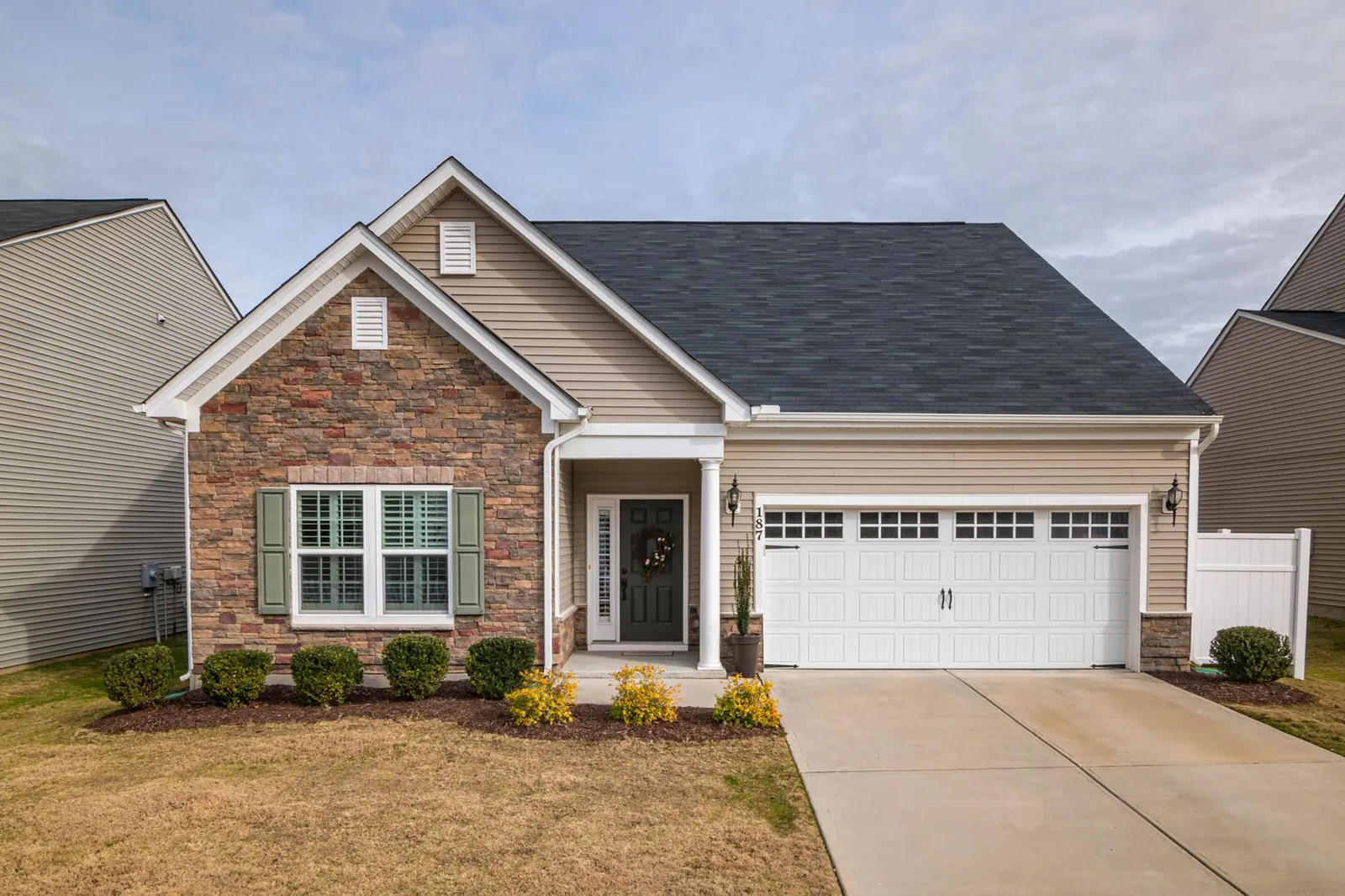
All lines of coverage

Homeowners

Homeowners, without re-typing the dec page.

The personal line a commercial agency still has to place — the client asks, and there is nowhere to send it. Send the declarations page and the dwelling limit, the coverages, the deductibles and the loss history come across with it.

Cennairus is a licensed wholesale insurance broker: retail agents send us the accounts their own markets cannot place, stay the agent of record, and we take each account to the markets on our panel of 145 carriers that write it. Homeowners insures an owner-occupied house under a home form, and the form decides how a loss settles. Cennairus gives a commercial agency somewhere to send the household: the declarations page brings the dwelling limit, coverages, deductibles and loss history with it, and availability is decided market by market on the specific home, not from a published state list.

  • HO-3, HO-5, HO-8the standard forms, and the one for older homes
  • Roof and windthe questions that decide it, asked up front
  • Peoplea licensed broker works the file by hand
  • Yoursthe household stays with your agency

Start a submission

Homeowners

The dec page and a few fields — we work it with our markets and come back with real terms. No obligation.

Photo: Curtis Adams / Pexels

Get started Quote now
Why send it here

What the agency gets from a personal-lines placement

The personal-lines request stops being a dead end.

A commercial agency asked for a home no longer refers the household away and hopes it comes back. Send the address and the dec page; we pick the form before we pick the market — HO-3 for most owner-occupied homes, HO-5 when the contents deserve open perils, HO-8 for an older house that could never be rebuilt the way it was.

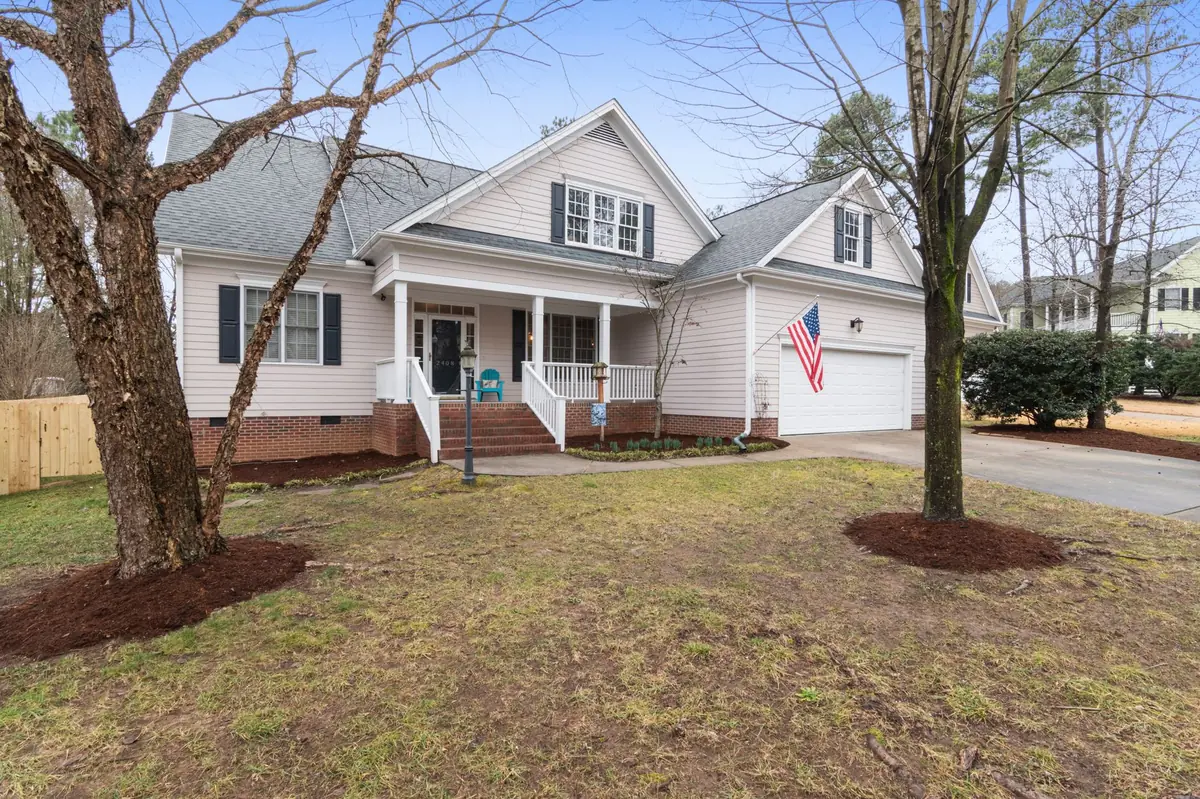
One account, the whole household.

Auto, umbrella, flood and scheduled articles are worked off the same file once the dwelling and the family are on it. The lender makes the house first in the folder; the rest of the household follows it.

You keep your commission.

What you place through Cennairus pays you, settled monthly through your wallet, on the same terms as the commercial book you already write here.

Quote now

How it works

How do I place homeowners through Cennairus?

01

Send the dec page.

The current or prior declarations page carries the dwelling limit, Coverage A through F, the deductibles, the endorsements and the loss history — most of the submission, already written down. Add the roof year and the roof material if the page does not name them.

02

We work the placement.

A Cennairus producer takes the file to the markets we are appointed with and asks what a homeowners underwriter asks: roof age and material, the year built and the four updates, construction, distance to a hydrant and a fire station, prior losses, and on the coast the wind exposure.

03

You get the answer and the client.

Terms, a question from the underwriter, or a market that passed. You hear it from us either way, and the relationship stays with your agency.

Quote now

What it does not cover

What does a homeowners policy send somewhere else?

  • Flood Rising water is excluded from every standard homeowners form, mortgage or not — storm surge, a creek over its banks, a street that will not drain. It is a separate flood policy, written alongside the home.
  • Earthquake Ground movement is excluded as well. It comes back by endorsement where a market offers one, or on its own earthquake policy.
  • The vehicles Anything licensed for the road answers under personal auto, however it is damaged. The home policy is for the structure, the contents and the family.
  • A business run from the house Stock, equipment and the liability that arrives with clients or employees need their own cover — a business owner’s policy or general liability. A home form carries a token amount of business property and no business liability.
  • A house the owner does not live in Rented to a tenant it is a dwelling fire risk; standing empty between owners it is vacant property. Neither belongs on a homeowners form.
  • Valuables past the sublimit Jewelry, firearms, silverware and collections sit under named caps inside the contents coverage until they are scheduled on a personal articles floater.

Quote now

The document does the typing

The declarations page is read, not re-keyed.

The Cennairus document reader finishing an uploaded submission document

Document reader — uploaded file, read, attached to the account.

Cennairus runs a document reader across the paperwork an agency already holds — applications, loss runs, prior policies. A homeowners declarations page goes into the same reader. Out come the dwelling limit, the other coverages, the deductibles, the endorsements and the loss history, attached to the account instead of retyped into it.

That matters most on the files nobody wants to touch: an older home with three endorsements, a coastal home with a separate wind deductible, a household that has changed carriers twice.

In plain terms

What decides a homeowners placement?

  • The policy answers for the house first — the dwelling, the other structures, the personal property and the cost of living somewhere else while it is repaired — then for the household’s liability. The dwelling limit is what it costs to rebuild the structure, not the sale price and not the mortgage balance; setting it from the purchase price is how a total loss settles short.
  • The form decides how a loss settles. HO-3 covers the dwelling against anything the form does not exclude and the contents only against the perils it names. HO-5 extends that open-perils basis to the contents. HO-8 exists for an older home that would never be rebuilt the way it stands, and settles on a functional or actual-cash-value basis.
  • Replacement cost or actual cash value on the roof. This is the difference owners feel after a storm. Replacement cost pays to put a new roof on; actual cash value pays what the old roof was worth after depreciation, and on an old roof that is a fraction of the bill. Ask which one the policy carries before the weather does.
  • What decides the price and the appetite. Roof age and roof material first, then the year built and the four updates — roof, electrical, plumbing, heating and cooling — construction type, distance to a hydrant and to a fire station, and the prior claims. A non-weather water loss reads worse than a wind claim of the same size, because wind is weather and water is usually maintenance.
  • On the coast, wind is the whole conversation. Hurricane and wind damage usually sit under their own percentage deductible, separate from the flat one. An older home is often written only on the strength of a four-point inspection, and a wind-mitigation report is what earns the credits for roof-to-wall attachment and opening protection. Some markets will not look at a roof past a certain age at all.
  • When it outgrows the standard forms. A dwelling limit, a schedule of valuables or a liability need that a standard HO form cannot carry belongs on a high-value home policy, not on a decline letter.

Who buys it: owner-occupants whose lender will not close without it; families moving up from a first home; retirees in an older house; coastal and second-home owners; and the commercial client who asks the agency that writes the business to handle the house as well.

By state

Homeowners, state by state

The roof that is fifteen years old, the wind that comes up the coast, and the inspection that decides whether anyone will write it — that is what this line turns on.

Questions we get

Homeowners, answered

Which states can you place homeowners in?

Send the risk with the address and we tell you whether we have a market for that house. Availability is decided market by market, not by a published state list, so the answer comes back on the specific home.

Do you look at coastal and wind-exposed homes?

Yes, case by case. Distance to water, roof shape, opening protection and a wind-mitigation report decide which markets will open the file. Send the inspection if the client has one, and expect wind and hurricane damage to sit under their own percentage deductible.

What does roof age change?

Most markets carry a roof-age rule and many split it by material. A roof past that rule needs a recent replacement date, a current inspection, or a market that rates roofs separately. Age is also what usually moves the roof from replacement cost to actual cash value, so tell us the year and the material up front.

Will a prior claim stop the placement?

It depends what it was and when. A single weather claim is routine; two non-weather water losses in three years is a different file. Send the loss history with the dec page.

When does a home move to a high-value form?

When the dwelling limit, the scheduled property or the liability exposure outgrows a standard HO form — a high replacement cost, serious collections, or an estate-sized liability need. That account belongs on a high-value home policy.

How is commission handled?

You keep your commission, settled monthly through your wallet, the same as on the commercial lines you already send us. Cennairus is the wholesale broker on the placement and the client relationship stays with your agency.

Quote now

Cennairus

Bring us the opportunity. Cennairus finds the path.

Send the dec page, or just the address and what the last carrier said.