
Common Challenges in Restaurant & Food Service Submissions
Restaurants and food service operations bring a unique set of complexities to insurance submissions. From fluctuating hours and high employee turnover to kitchen equipment risks and liquor liability, carriers scrutinize these accounts closely. But it’s not just the risk profile that causes delays — the submission process itself can be a bottleneck. In many cases, incomplete or inconsistent data, mismatched class codes, and missing documentation slow down underwriting decisions.
For agencies, these delays can lead to frustrated clients, stalled deals, and lost business. The good news is that many of these issues are fixable — with the right approach and tools.
Incomplete or Inaccurate Information
One of the most common reasons for submission delays is missing or incorrect information. Restaurants often have multiple locations, varying hours, and fluctuating employee counts. If this data is not consistent across the submission, underwriters may request clarifications, which can slow down the process.
For example, if the class code on the submission does not align with the actual operations — such as carrying a sit-down restaurant classification on a food truck, or a fast-food classification on a full-service kitchen with table service — it can lead to confusion. Class codes vary by state, so it's important to confirm the correct code for the state where the business operates. If you're unsure, describe the business in clear terms and cross-check with your state’s classification bureau.
Missing Documentation
Restaurant and food service submissions often require additional documentation due to the nature of the business. This includes liquor liability certificates, health department inspections, fire safety certifications, and proof of food-handling training. If any of these are missing or incomplete, the submission may be delayed as the agency or underwriter tries to track down the necessary documents.
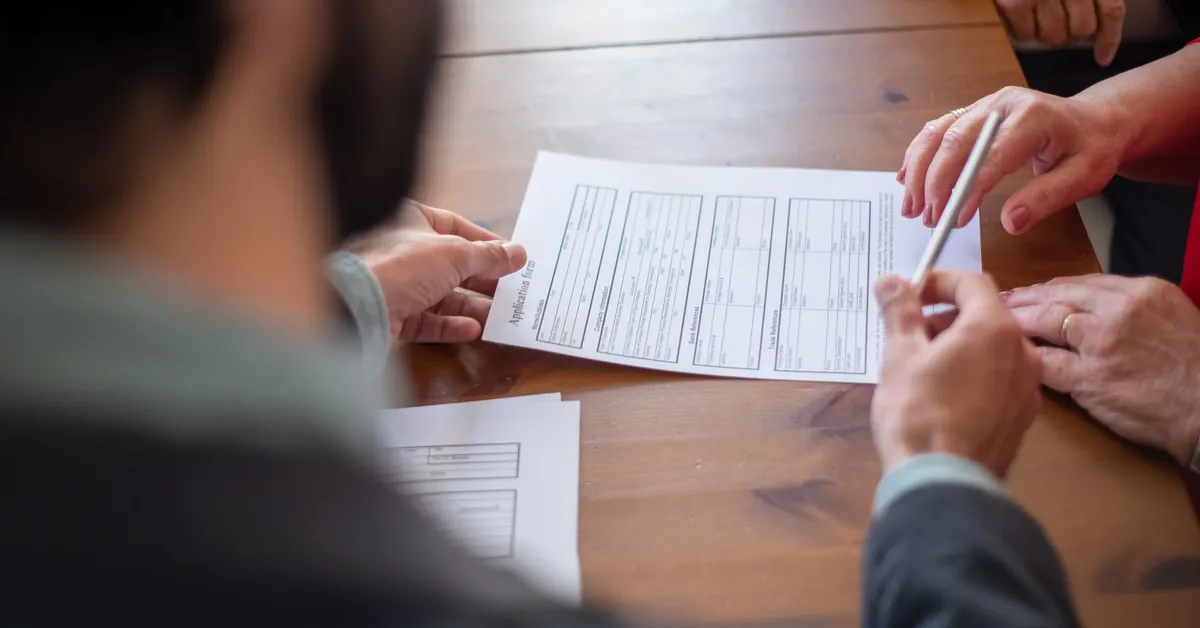
Another key document is the ACORD form, which is used to standardize submission data. If the ACORD form is incomplete, outdated, or filled out incorrectly, it can lead to processing delays. Automated document intelligence can help verify that all required information is included and in the correct format before submission.
Employee and Payroll Misreporting
Restaurants typically have high employee turnover and part-time staff, which can complicate payroll reporting. If the submitted payroll figures don’t reflect the actual number of employees or hours worked, underwriters may question the accuracy of the submission. This can lead to requests for loss runs or additional payroll data, further slowing down the process.
Agencies should ensure that payroll data reflects the correct employee classification (e.g., full-time vs. part-time, hourly vs. salaried) and that it's up to date. Some carriers also require proof of workers' compensation coverage for employees, so it's important to verify that all required coverages are included in the submission.
How to Streamline Restaurant Submissions
Streamlining the submission process starts with preparation. Agencies should gather all required documentation and ensure that the submission is complete and accurate before sending it to underwriters. This includes verifying class codes, payroll data, and employee information.
Using a centralized platform that automates document verification and submission formatting can significantly reduce the risk of errors and delays. A platform like Cennairus also shows each carrier's answer in one place, so the agency can address issues quickly.
Leverage Program Partnerships and Referrals
Some carriers run specialized programs for restaurants and food service operations. Agencies should look at them when the client fits the program.
Agencies can also build relationships with carrier program managers to get a better understanding of carrier appetite and submission expectations. This can help agencies tailor submissions to meet carrier requirements and avoid unnecessary delays.
Next Steps for Agencies
For agencies looking to improve submission efficiency for restaurant and food service clients, the key is preparation and consistency. Ensure all documentation is complete, verify class codes and payroll data, and use tools that automate submission formatting and document verification.
For more information on how to streamline your submission process, explore our insurtech solutions or join our platform to streamline your submissions and access carrier programs. Join Cennairus today to simplify your workflow and improve submission accuracy.