
What to Look for in a Trucking & Transportation Loss Run
Reading a loss run for a trucking or transportation business is more than just scanning numbers — it’s about understanding the risk patterns behind them. For agencies placing workers’ comp, the loss run tells a story about the business’s exposure to injury and the likelihood of recurring or large claims. A quick glance at a loss run can reveal red flags that make underwriters hesitate or adjust pricing. Here’s what to focus on before you submit a quote.
Start by identifying whether the business operates in a state with an independent rating bureau, like California (WCIRB), New York (NYCIRB), or Pennsylvania (PCRB). These states don’t follow the NCCI system, so classification and exposure can vary widely. In transportation, where operations are often mobile and multi-faceted, understanding the claim history is key to finding the right carrier and coverage terms.
Frequency of Claims in the Transportation Sector
Claims to look for include:
- Slips, trips, and falls from loading/unloading cargo
- Back injuries from lifting heavy items
- Occupational illnesses from exposure to fumes or dust
High frequency in these claim types can signal a pattern of unsafe practices or insufficient training. When reviewing a loss run, look for a consistent number of small claims — this may indicate a business that has not addressed recurring issues in the workplace. For example, multiple low-dollar claims in a short time period may point to poor housekeeping or a failure to enforce PPE requirements.
Severity of Claims and Open Reserves
While frequency tells you how often claims happen, severity tells you how much they cost. In the transportation sector, large claims often involve:
- Severe back injuries
- Amputations or other major injuries from equipment use
- Extended disability claims
Open reserves are also a key metric to consider. A loss run with high open reserves could signal that an insurer is still evaluating the cost of a claim, or that the claim is likely to escalate. If you see a pattern of high-severity claims and rising open reserves, it might be a sign that the business is a higher risk than expected. These situations often lead to increased premiums or stricter terms, especially if the carrier sees a lack of corrective action.
Claim Types That Make Underwriters Flinch
Certain claim types in the trucking and transportation industry are more likely to draw attention from underwriters. These include:
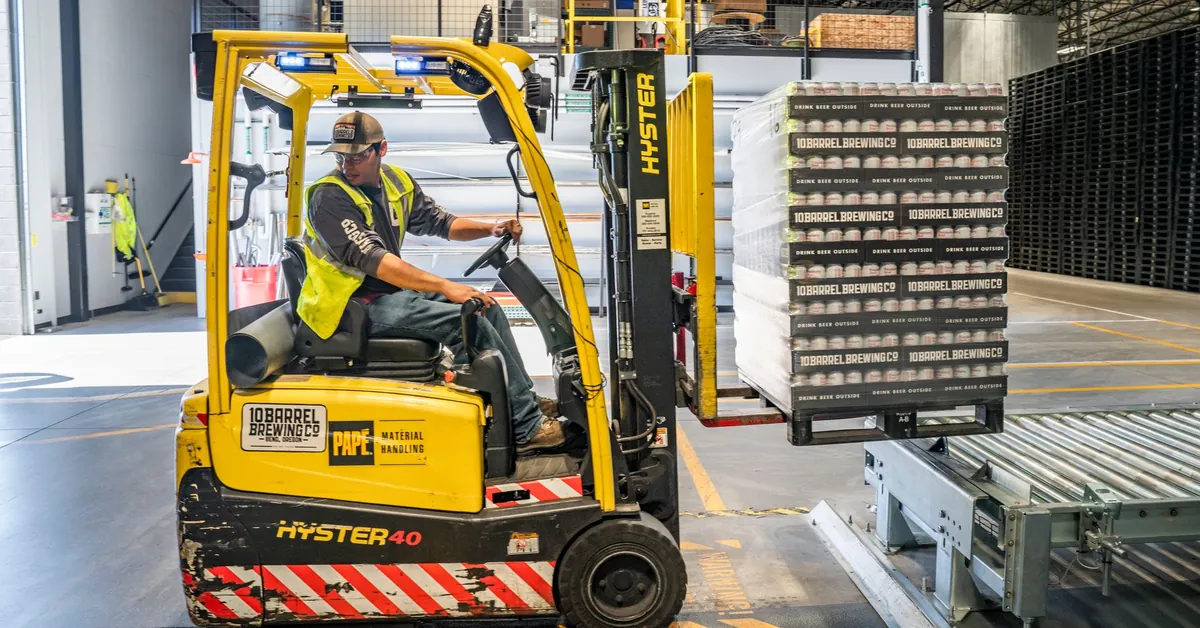
- Claims involving forklifts or heavy machinery
- Claims with multiple injured employees
- Claims from temporary or contract drivers
These types of claims suggest a higher risk of exposure and may lead to increased premiums or stricter terms. If a loss run shows a history of these claim types, it’s worth investigating whether the business has taken steps to mitigate the risk, such as training or equipment upgrades. For example, a sudden spike in forklift-related claims might suggest a failure in machine safety training or improper maintenance.
How to Read a Loss Run for Workers’ Comp in This Niche
To effectively read a loss run for a transportation business, start by looking at the total number of claims and their dollar amounts. A business with few, small claims may be a good candidate for standard coverage, while one with many or large claims may need a more specialized approach. Also, check for any trends over time — a sudden increase in claims could signal a change in operations or a breakdown in safety protocols.
For class code guidance, some states have their own independent rating bureau. In California, for example, the WCIRB sets the classification system, while New York uses NYCIRB. If you’re unsure which code applies to a business in a specific state, direct the producer to the governing bureau for confirmation. On Cennairus, one submission with the loss runs reaches several carriers and specialty markets; some are connected by API and others are worked by email or a program desk. For more on how to handle transportation class codes, visit the Class Codes & Niches section.
Next Steps for Agencies
Reviewing a loss run is just the beginning. After identifying the risk profile, agencies can use platforms like Cennairus to submit the loss run and send it to several carriers and specialty markets. With ACORD forms and loss runs read and structured automatically, you can focus on placing the risk and serving your clients more efficiently. For more on how to handle transportation class codes, visit the Class Codes & Niches section. And for a deeper dive into workers' comp, visit our Workers’ Comp guide. If you’re ready to streamline your submission process, join Cennairus and start placing risks with less retyping.