Why You Need to Read a Construction Specialty Trades Loss Run
When underwriters or agencies look at a construction specialty trades loss run, they’re not just scanning numbers—they’re reading a story. The loss run tells them the frequency and severity of claims over time, the types of claims that have been filed, and whether open reserves suggest a potential issue. For specialty trades like masonry, carpentry, or sheet metal work, understanding the loss history can mean the difference between a competitive quote and a problematic placement. The goal is to identify patterns that might raise red flags and to prepare for the underwriting questions that will come up during the quoting process.
Understanding Frequency and Severity in Construction Trades
Construction specialty trades, including class codes like 5028 (Masonry) and 5470 (Glaziers), tend to carry a certain risk profile. The presence of high-severity claims—those involving serious injury or fatality—can dramatically affect the pricing and availability of coverage. A loss run that shows a sudden spike in claims severity may raise concerns about safety protocols or claims management at the business level. Underwriters look for consistency and predictability in claims data, and a loss run that shows erratic trends could slow or stall the quote process.
Types of Claims You’re Likely to See
Read the claim descriptions against the work the trade actually does. For example:
- Falls point to questions about ladders, scaffolds and fall protection.
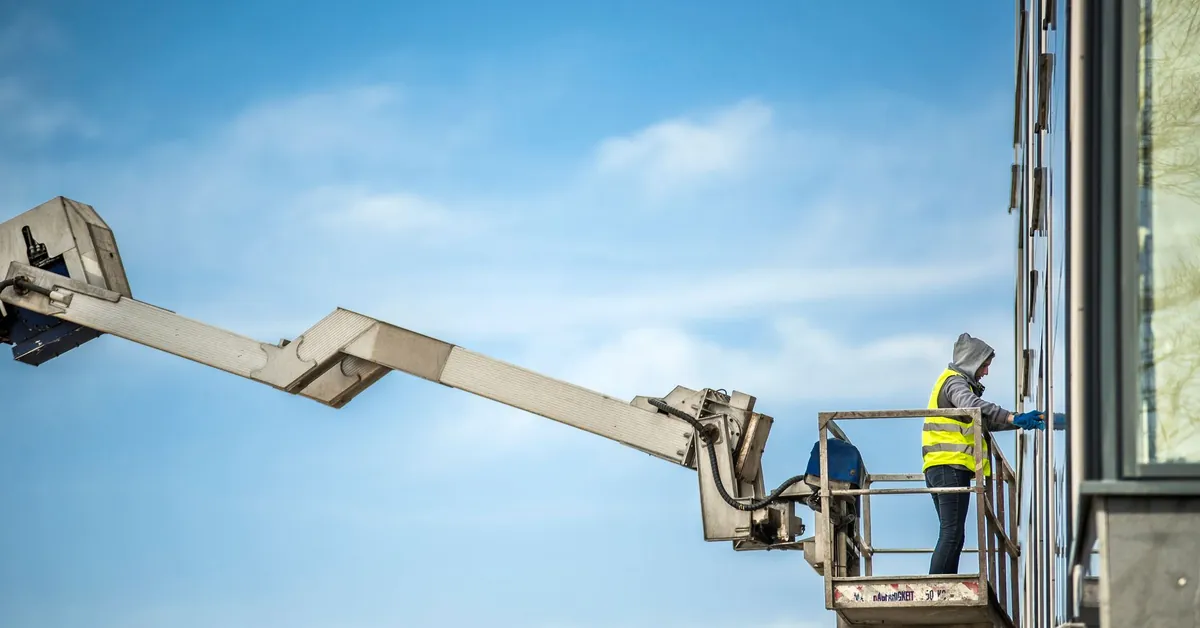
- Hand and finger injuries point to questions about cutting tools, glass and materials handling.
- Lifting injuries point to questions about how heavy materials are moved on site.
These patterns are not only important for underwriters—they also help agencies prepare for the types of questions they may get from their insureds. When a loss run shows a high number of these claim types, it can signal a need for additional safety training or equipment investment.
What to Watch for in Open Reserves
Open reserves can be a red flag in any loss run, but they’re especially critical in construction trades. If a loss run shows a large number of open reserves—especially in high-severity claims—it suggests that the claim may not be fully resolved or that the reserves are being set conservatively. Underwriters may view this as an indicator of ongoing exposure. For trades with high physical risk, like 5432 (Carpentry--NOC), large reserves may also point to poor claims management or inadequate reporting. A loss run that shows a growing number of open reserves over time could lead to a denial or a high premium.
What Makes an Underwriter Flinch
There are a few things that consistently catch underwriters’ attention when reviewing loss runs for construction specialty trades. A sudden increase in claims in a single year, especially if it’s out of proportion to the size of the business, can suggest a change in operations or a lack of safety oversight. Underwriters also look for repetitive claims from the same employee, as this may indicate a problem with the workplace environment or a failure to address known risks. Unusual claim types—like a claim for a serious injury in a low-risk setting—can also raise eyebrows. In short, the loss run needs to tell a story of consistency, predictability, and safety to avoid underwriting pushback.
How to Prepare for the Next Step
Once you’ve reviewed the loss run and identified the key patterns, it’s time to think about how this will shape your quoting process. If the loss run shows a high number of low-severity claims, you may want to highlight the need for improved safety protocols. If there are large open reserves, it could be a sign that the insured needs better claims management. Either way, the loss run gives you the data to make informed recommendations to your client. For more on how to position specialty trades in the market, check out our guide on Class Codes & Niches.
Need help with your next quote? Join Cennairus to access a network of carriers and streamline your quoting process.