What Agencies Need Before Submitting Manufacturing Workers' Comp
Manufacturing businesses bring specific risk profiles to workers' comp underwriting. As an agency, you need to gather the right information to ensure accurate submissions and competitive quotes. Start with the basic business details: NAICS code, number of employees, payroll by class, and the specific products being made. But for manufacturing, you also need to know what materials are used, whether there are hazardous processes like welding or chemical handling, and what safety protocols are in place. These details help shape the submission and set expectations for the carrier.
Tailoring the Submission to the Manufacturing Process
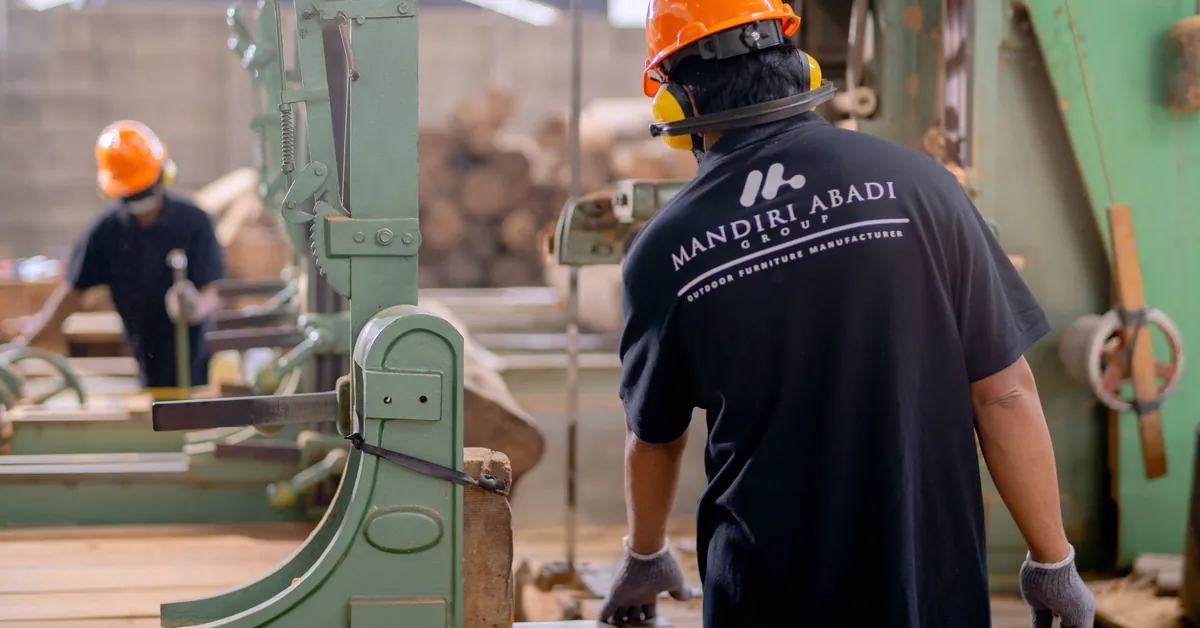
Manufacturing work varies widely — from metal fabrication to chemical processing — and your submission should reflect the unique nature of each client’s operations. For example, a facility that uses heavy machinery will have a different risk exposure than one focused on textile production. Document the types of equipment used, the presence of automated systems, and any special handling for hazardous materials. This information helps carriers assess the risk and determine the appropriate pricing. Include details about the layout of the workplace, the number of shifts, and any third-party contractors on-site, as these factors can affect exposure.
Gathering the Right Supporting Documents
Manufacturing businesses often require additional documentation beyond standard payroll and employee counts. Request a detailed list of the types of work being performed, and ask for any internal safety protocols or certifications they may have (e.g., OSHA compliance, ISO 45001). Loss runs for the past three to five years are essential, especially for businesses with prior claims history. For facilities using hazardous materials, confirm that they have Material Safety Data Sheets (MSDS) or equivalent documentation on file. These details can impact the carrier's underwriting decision and should be included in the submission.
Handling State-Specific Rating Systems
Manufacturing businesses may operate in states with their own independent rating systems — such as California’s WCIRB or Pennsylvania’s PCRB — rather than using NCCI class codes. This means the class code you use in one state may not apply in another. Always confirm the rating system used in the business’s state of operation. For example, Pennsylvania uses the PCRB and assigns its own codes for manufacturing work. Instead of relying on a single class code, describe the type of manufacturing work being performed and let the underwriting process determine the appropriate classification. This approach helps avoid misclassification and ensures the quote aligns with the state’s rating rules.
Clarifying Coverage and Exclusions
Manufacturing environments often involve high-risk activities like machine operation, chemical exposure, and heavy lifting. Be clear with your client about what is and isn't covered under a standard workers' comp policy. Coverage includes injuries from work-related accidents, but does not extend to property damage or third-party liability — that’s where general liability or a BOP may come into play. If the business uses subcontractors, ensure they are properly classified and that the client understands how owner inclusion or exclusion affects their coverage. This is especially important for small manufacturing businesses where the owner may be actively involved in daily operations.
Using Technology to Streamline the Quoting Process
Submitting manufacturing workers' comp quotes through a centralized platform like Cennairus can save time and reduce errors. One submission reaches a network of admitted carriers and specialty markets, and the platform automatically structures ACORD forms and loss runs. This ensures consistent formatting and helps underwriters process your submission more efficiently. Policies are serviced in one place, and the agency is paid its commission under the broker agreement. For manufacturing businesses with complex needs, purpose-built programs and referrals to PEO partners may be available, depending on the risk profile.
Next Steps for Your Manufacturing Clients
Once you’ve submitted the quote, the underwriting process can vary by carrier. Some submissions may be processed quickly, while others may require additional information or clarification. Keep your client informed throughout the process and be ready to adjust the submission if needed. For businesses with a history of claims or those in high-risk manufacturing sectors, consider higher employers' liability limits or excess workers' comp. You may also want to explore complementary lines like general liability, commercial auto, or cyber insurance to provide a full risk management solution. Cennairus takes these submissions alongside workers' comp.