Classifying Manufacturing Operations: Common Pitfalls
Manufacturing operations are some of the most complex in the workers' comp space. A small misstep in classification can lead to underwriting mismatches and premium disputes. This article walks the classification traps producers hit most often on manufacturing risks, described by the operation rather than by number — the number is the governing bureau's to give, and it differs by state.
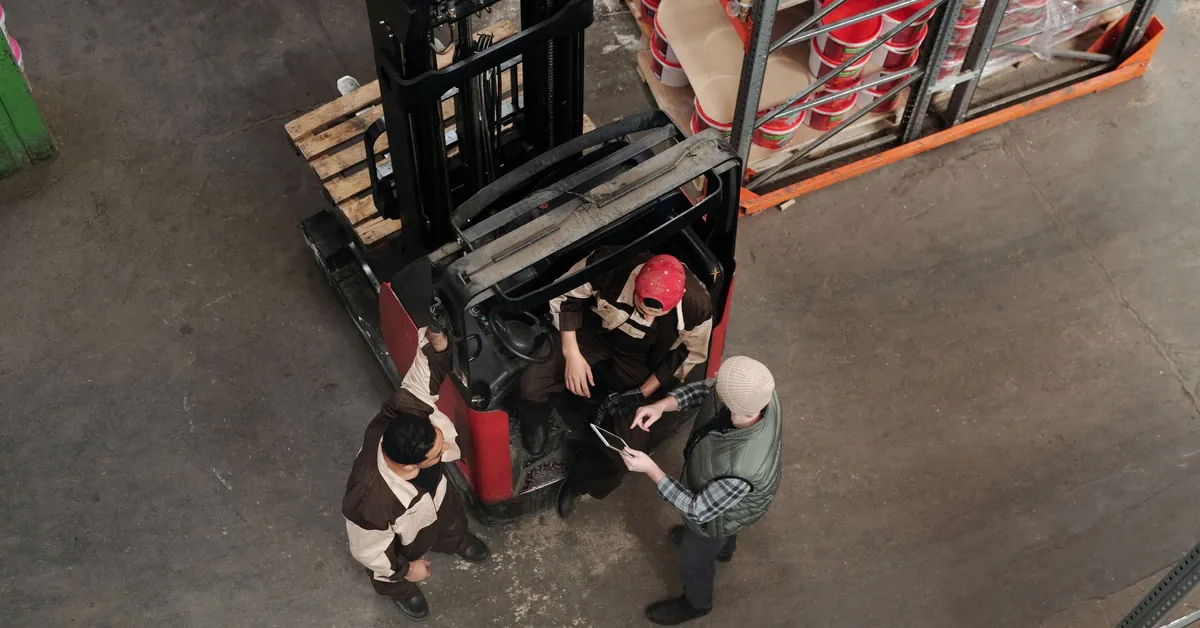
Classification in manufacturing is not just about what a business produces, but how it produces it, who is involved in the process, and the specific duties they perform. For example, a delivery driver who also handles inventory in a manufacturing facility may fall under a different classification than the counter staff or the workshop floor employees. These nuances are easy to overlook, especially when applications are submitted with vague or generic descriptions.
The goal of this article is to guide agencies and producers in identifying those missteps and understanding how to address them with the state rating bureau or carrier underwriters. Remember, class codes are state-specific and vary by jurisdiction. Always confirm with the governing bureau in the state where the risk operates.
Common Misclassifications in Manufacturing Settings
One of the most frequent misclassifications occurs when the same class code is applied to multiple roles within a manufacturing facility. For instance, office staff are usually reported under the clerical classification rather than the floor's code, while many manufacturing classifications include their drivers in the wording. Read the classification's wording before you split or combine payroll.
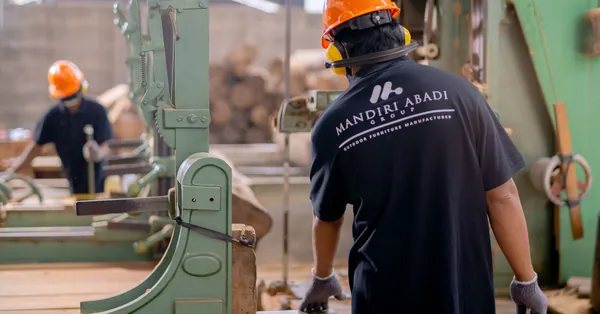
Another misstep is failing to identify incidental duties that may change the classification basis. For example, an employee primarily responsible for engraving (a task often associated with a specific classification) may also be involved in operating machinery, which could shift the classification to a higher-risk category. These incidental duties are often overlooked, especially in smaller operations where employees wear multiple hats.
A third common issue is misrepresenting the primary operation of the business. A manufacturer may be classified under a lower-risk code if the application focuses on the product being made rather than the method of production. For example, a company producing files may be incorrectly classified if the submission emphasizes the product rather than the forging or grinding process involved in its creation.
The Importance of the Governing Classification Question
In any manufacturing operation, the governing classification typically drives the premium, and the state rating bureau's rules decide which classification governs. However, producers often fail to ask the right questions to identify it. For example, the workshop floor may be the governing classification, but if the application doesn't clearly articulate the duties and risks involved, the carrier may assign a lower-risk classification to the entire payroll.
Producers must dig into the details: What machines are being operated? What materials are being handled? What are the incidental duties involved? These questions help determine the correct classification and avoid the trap of applying one class code to the entire payroll.
When in doubt, always reference the state rating bureau. Some states, such as California, New York and Pennsylvania, have their own independent classification systems. A class code in one state may not exist or may carry a different meaning in another. The key is to align the description of the work with the bureau's guidelines.
How to Prevent Misclassification on the Application
The best way to prevent misclassification is to gather detailed information from the client. Ask for a breakdown of roles, duties, and the types of materials or machinery used. A vague description like 'general manufacturing' is not enough. Instead, clarify whether the operation involves forging, engraving, or chemical processing — each of these may fall under a different classification.
Also, be cautious with incidental duties. If an employee is occasionally operating a machine or handling hazardous materials, that may shift their classification. Producers should flag these duties and seek clarification from the carrier or rating bureau.
Lastly, avoid the trap of applying the same classification to all employees in a facility. Office staff usually have their own clerical classification; whether drivers sit inside the manufacturing code depends on its wording. Taking the time to separate these roles in the submission can prevent disputes and ensure accurate underwriting.
Next Steps and How Cennairus Can Help
Classification is a critical step in the placement process, especially for manufacturing operations. Misclassifications lead to premium disputes. As an agency, you need to ensure that your submissions are as detailed and accurate as possible.
Cennairus is an AI-native wholesale platform that helps agencies streamline the submission process. With document intelligence for ACORD forms and loss runs, one submission reaches several carriers and specialty markets; some are connected by API and others are worked by email or a program desk. You service policies in one place, and the agency is paid its commission under the broker agreement. Cennairus places the business with the insurers it has relationships with, while the agency keeps its own licence in each state where the risk is.
For more information on how Cennairus can support your agency in placing manufacturing risks accurately and efficiently, join Cennairus today.