
The Need for Additional Coverage in Cleaning & Janitorial Services
Once you've placed a workers' compensation policy for a cleaning or janitorial service business, the conversation isn't over. These businesses operate in environments where other exposures are just as significant, and cross-selling the right coverages can be a key differentiator for your agency. General liability, commercial auto, cyber, and business owners' policies (BOPs) are all relevant to these operations — but only if you're asking the right questions and understanding the client's risk profile.
Cleaning and janitorial services often work in high-traffic or sensitive environments — office buildings, schools, hospitals, and retail spaces — where third-party risks are common. The conversation after workers' comp is about identifying these exposures and matching them with the right coverage. This is where your agency can add real value.
General Liability: A Must-Have for Contractual and Premises Risks
Cleaning and janitorial businesses are often asked to provide a certificate of insurance (COI) showing general liability coverage. This is because their work can result in third-party injuries or property damage. For example, a visitor could slip on a freshly mopped floor in a client’s building, or a cleaning chemical could spill and damage flooring. These scenarios are typically covered under general liability, which includes bodily injury and property damage.
When underwriting general liability for these clients, consider the types of locations they service, the use of equipment (like ladders or pressure washers), and the number of employees. Some clients may also require a contractual liability endorsement to meet the terms of their service agreements. It's important to align the coverage with the business's exposure and the expectations of their clients.
For more information on general liability, see our article on general liability insurance for small businesses.
Commercial Auto: When Fleet Vehicles Are Part of the Business Model
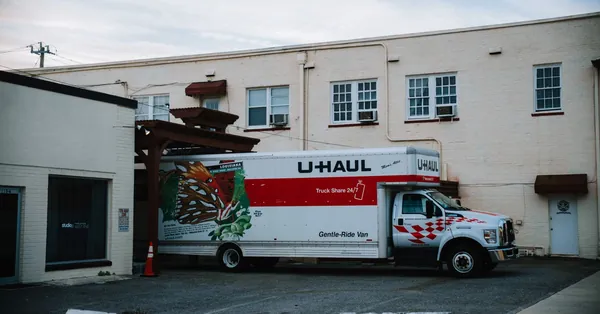
Many cleaning and janitorial services use company-owned vehicles to transport staff and supplies. This introduces a need for commercial auto coverage, especially if the business owns more than one vehicle or employs drivers. Commercial auto liability covers bodily injury and property damage the business's vehicles cause to others.
Ask your client about the size of their fleet, the types of vehicles used (e.g., vans, trucks), and whether they have employees who use company vehicles regularly. If they do, a commercial auto policy is essential. Even if the business has a small number of vehicles, it's worth evaluating the risks of a potential accident or claim that could arise during routine operations.
For more on commercial auto insurance, visit our commercial auto guide.
Cyber Coverage: Addressing Digital Risks in an Increasingly Connected World
While it may not be the first coverage that comes to mind for cleaning and janitorial businesses, cyber insurance is becoming increasingly relevant. These businesses often handle sensitive information — such as client addresses, contact details, and payment data — and may use digital platforms for scheduling, billing, or managing payroll. A data breach or ransomware attack could disrupt operations and damage the business's reputation.
Cyber coverage can protect against the financial costs of responding to a breach, including notification expenses, legal defense, and business interruption. It's also worth noting that some clients may request proof of cyber coverage as part of their vendor onboarding process, especially in regulated industries like healthcare or education.
Explore our cyber insurance overview for more on how cyber coverage can fit into your cross-selling strategy.
Business Owners' Policy (BOP): Bundling Efficiency for Small Operations
A Business Owners' Policy (BOP) can be a smart option for cleaning and janitorial businesses, especially if they need both property and general liability coverage. A BOP bundles these two lines into a single policy. It can cover damage to the business's equipment or tools, as well as protect against third-party claims for bodily injury or property damage.
BOPs are particularly useful for businesses that operate from a physical location or rely on equipment for their work. Ask your client if they have tools, cleaning supplies, or office space that could benefit from property coverage. If so, a BOP could be a simpler solution than separate policies.
For more on BOPs, read our guide to business owners' policies.
How to Approach the Conversation: Be Specific, Not Generic
When cross-selling beyond workers' comp, avoid generic pitches. Instead, ask specific questions to uncover the client's true risk exposure. For example:
- Do you have a fleet of vehicles or employees who drive for work?
- Are your contracts with clients requiring proof of general liability or cyber coverage?
- Do you store sensitive client data or handle digital payments?
- Do you operate from an office or warehouse that requires property coverage?
These questions help you build a tailored insurance package that reflects the client's operations. The goal is to show that you understand their business and are ready to support it with the right coverage.
Leverage Cennairus to Streamline the Cross-Selling Process
With Cennairus, one submission reaches several carriers and specialty markets; some are connected by API and others are worked by email or a program desk. Our platform handles document intake, loss run analysis, and policy servicing in one place, reducing the time and effort required to cross-sell these coverages.
By using a platform like Cennairus, your agency can focus on understanding the client's needs and delivering a complete insurance solution — not just workers' comp. To get started, join Cennairus and begin placing additional lines with a growing network of carriers.