The Second Line of Defense for Manufacturing Clients
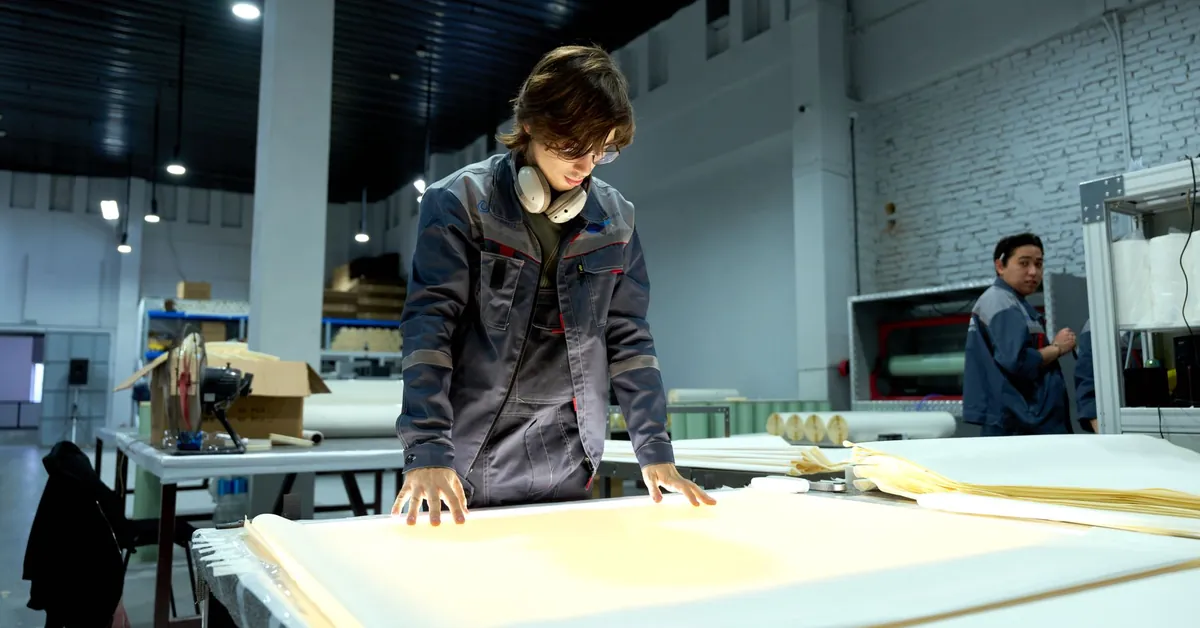
After placing workers' compensation for a manufacturing client, the next step is to evaluate what other exposures they face. Manufacturing businesses operate in a complex environment with physical assets, inventory, and business operations at risk. This is where cross-selling becomes essential. General liability, commercial property, and commercial auto are often needed to protect the full breadth of the business. Understanding the client's operations and the specific risks involved is key to recommending the right coverages.
General Liability — Covering the Day-to-Day
General liability insurance is a must-have for manufacturing clients. It protects against third-party bodily injury and property damage claims. For example, a client could be liable if a supplier slips and falls at their warehouse or if a customer's equipment is damaged during a visit. General liability coverage includes premises and products-completed operations exposures. The conversation with the client often begins by asking about their interactions with customers, suppliers, and subcontractors to determine the scope of needed coverage.
Commercial Property — Protecting Physical Assets
Manufacturing operations rely on physical assets such as buildings, machinery, and inventory. A fire or a theft can shut down production and lead to significant financial loss. Commercial property coverage responds to that loss, paying to repair or replace what the policy covers. The client conversation often centers on questions like: What is the value of the inventory? What type of equipment is in use? Where is the business located? Property coverage can also include business interruption to compensate for lost income during a covered loss. This makes it a critical second line of defense for manufacturing accounts.
Commercial Auto — Coverage for Company Vehicles
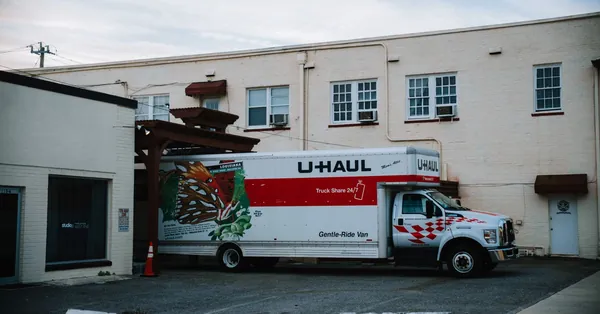
Manufacturing businesses often operate company-owned or leased vehicles for deliveries, service calls, or employee transport. Commercial auto insurance is necessary to cover both the vehicles and the drivers. The discussion with the client may include whether they have company-owned trucks, employee vehicles used for business, or any delivery routes. Coverage can be tailored based on the type of use — non-owned auto for employee-owned vehicles, or hired auto for leased vehicles. Understanding the client’s fleet size and usage helps determine the right commercial auto package.
Cyber Insurance — A Growing Concern
Manufacturing clients are increasingly at risk from cyber threats, especially those using digital supply chains or handling sensitive customer data. A data breach or ransomware attack could lead to downtime, lost data, or legal liability. Cyber insurance helps cover the costs of response and recovery. The conversation often begins with how the client manages data and whether they use third-party vendors for IT services. Cyber coverage can be customized to include data breach response, business interruption, and liability for third-party claims. It’s a valuable addition to the coverage portfolio for manufacturing clients who rely on digital operations.
Professional Liability — Protecting Against Claims of Negligence
Manufacturing clients may face claims of negligence or errors in their work, especially if they provide custom parts or engineering services. Professional liability insurance covers legal defense costs and settlements for claims of professional mistakes. The discussion with the client may center on whether they design or consult for clients, or if they are involved in any technical or advisory work. This coverage is particularly relevant for manufacturers who provide design or engineering services to other businesses.
Streamlining Cross-Selling with Cennairus
Placing workers' compensation for a manufacturing client is just the start. Using a platform like Cennairus, agencies can efficiently cross-sell the additional lines of coverage these clients need. Cennairus takes submissions for general liability, commercial property and commercial auto alongside workers' comp; markets connected by API answer on screen, and a producer works the rest with the markets that write the line, so turnaround varies. The platform automatically reads and structures ACORD forms and loss runs, saving time for agencies. The next step is to have a conversation with the client about their specific exposures and recommend the right coverages based on their operations. By using Cennairus to streamline the placement process, agencies can focus on building client relationships and delivering comprehensive coverage packages.
Join Cennairus to start placing these additional lines with a growing network of carriers and specialty markets. Automated document processing makes it easier to service policies. Cross-selling is most effective when it’s based on a deep understanding of the client’s business — and Cennairus can help make the process efficient and scalable for agencies.